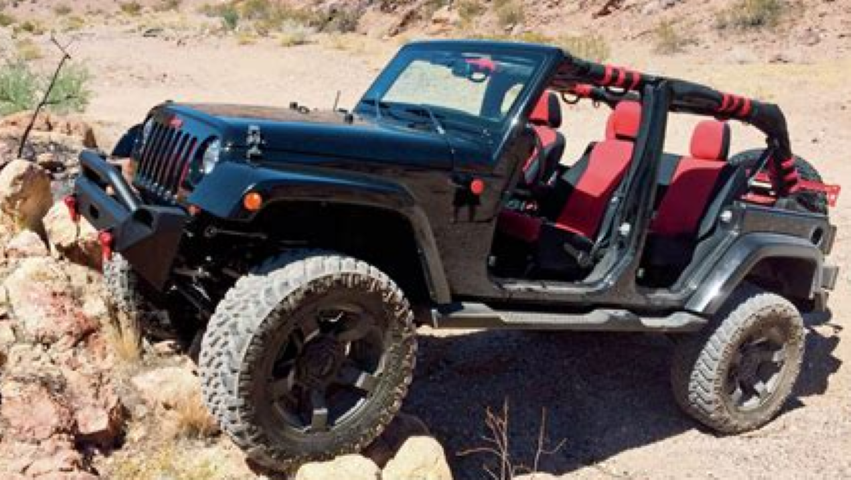
A used Jeep can accumulate a remarkable number of stories before it reaches you. Wheels change. Axles get swapped. Tops disappear. Springs, bumpers, radios, gears, and trim pieces come and go.
The factory equipment list gives you a baseline: how the vehicle was originally configured.
First, get the VIN
The 17-character vehicle identification number is typically visible at the lower edge of the windshield on the driver's side and on vehicle documentation. Verify the number carefully before using it to research equipment.
Use official vehicle-information resources first
Manufacturer tools and dealer systems have historically provided equipment-list or build-information access for many Jeep vehicles. URLs and availability can change, so favor current official Jeep, Mopar, or Stellantis resources rather than an old bookmarked third-party endpoint.
If an online lookup is unavailable for your vehicle, a Jeep dealer may be able to retrieve factory equipment information from the VIN.
What the information can tell you
Depending on model and year, a factory equipment record can help identify items such as:
- original trim and package content
- engine and transmission
- axle or final-drive information
- factory suspension or towing equipment
- wheel and tire configuration
- interior and convenience options
- original colors and appearance packages
What it cannot tell you
A build sheet is history, not a current inventory. It cannot tell you whether the axle under a 20-year-old Wrangler is still original or whether the previous owner installed different gears.
Use it as the starting point, then verify critical mechanical parts directly before ordering components.
That combination—factory record plus physical verification—is one of the best ways to understand an unfamiliar Jeep.
Jeep Field Guide may earn a commission from qualifying purchases when affiliate links are present. Recommendations are selected editorially, not because a merchant pays for placement.