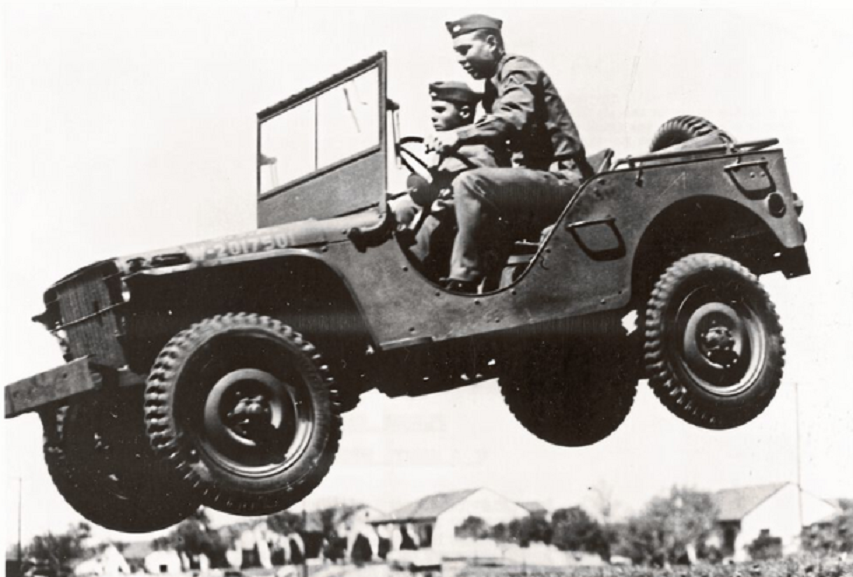
The Jeep Wrangler is one of the most recognizable vehicles on the road, and one of the few modern vehicles whose basic character can be traced directly back more than eight decades. Known today for its removable doors, folding roof, solid axles, and serious off-road capability, the Wrangler carries forward a design philosophy that began during World War II. To understand how the Wrangler became the icon it is today, you have to go back to the military vehicles that established the Jeep name in the first place.
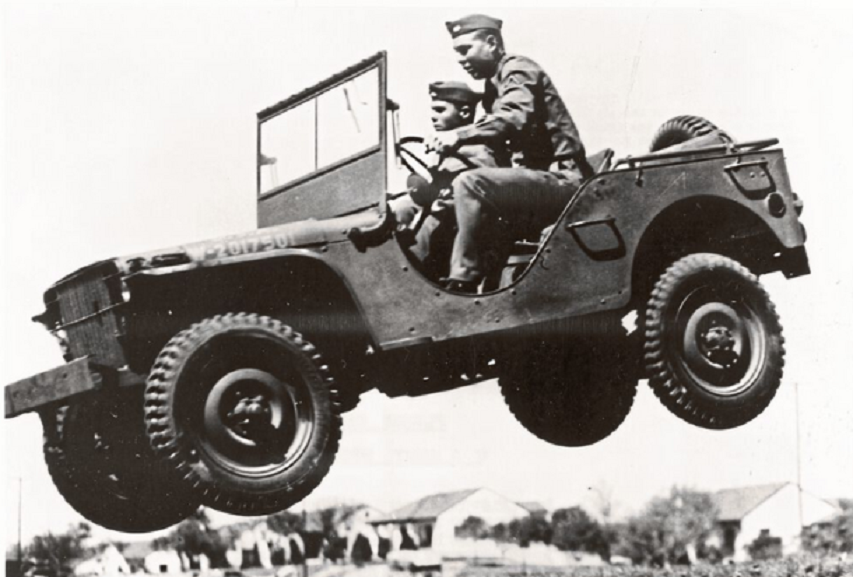
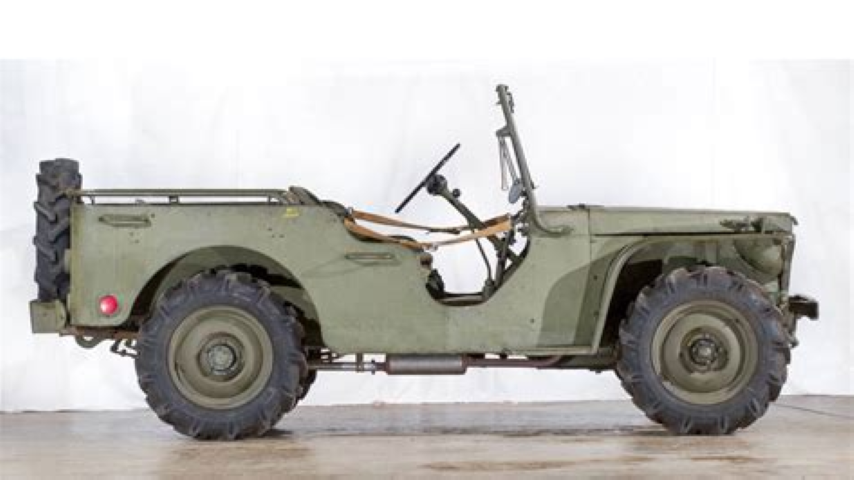
The story begins in 1940, when the United States Army sought a lightweight, four-wheel-drive reconnaissance vehicle that could handle difficult terrain while remaining simple, durable, and easy to service in the field. American Bantam was the first manufacturer to deliver a working prototype, while Willys-Overland and Ford soon became heavily involved in refining and producing the design. The Willys MB and Ford GPW ultimately became the familiar wartime Jeeps produced in enormous numbers during World War II. Small, agile, and remarkably capable, they established a reputation for going places that conventional vehicles simply could not.
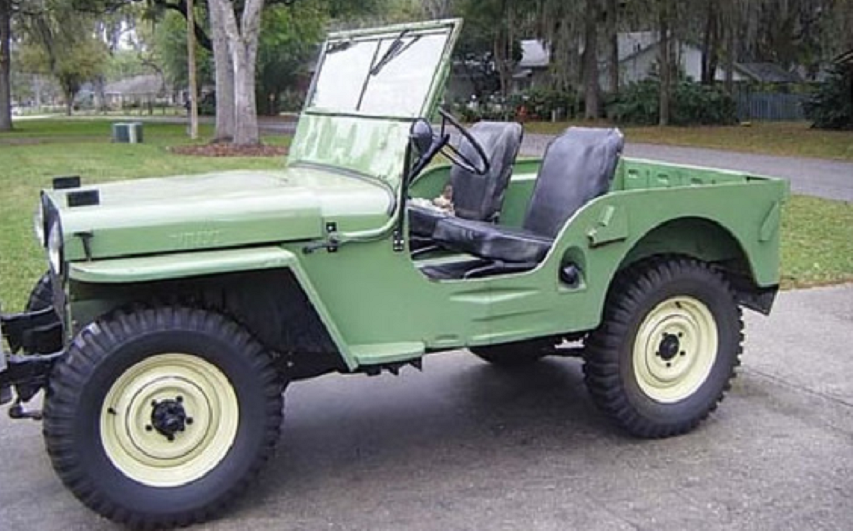
When the war ended, Willys recognized that the same qualities that made the Jeep invaluable to the military could make it equally useful in civilian life. The company introduced the CJ-2A in 1945, launching the long-running CJ, or Civilian Jeep, family. Farmers, ranchers, hunters, tradesmen, and outdoor enthusiasts quickly discovered the usefulness of a simple four-wheel-drive vehicle that could work during the week and head into the backcountry on the weekend. Numerous CJ models followed over the next four decades, but the fundamental formula remained remarkably consistent: a short wheelbase, removable top, simple body, and genuine off-road capability. That lineage continued until the CJ gave way to the first Jeep Wrangler for the 1987 model year.
The first Wrangler, known to enthusiasts by its YJ designation, represented a significant evolution from the CJ. It retained the traditional body-on-frame construction, solid axles, removable doors, and open-air character Jeep owners expected, but introduced a wider track, improved stability, and a more civilized interior. Its rectangular headlights immediately distinguished it from the round-headlight Jeeps that came before and would eventually become one of the YJ's defining characteristics. Later YJs could also be equipped with Jeep's now-legendary 4.0-liter inline-six, an engine respected by enthusiasts for its torque, durability, simplicity, and ability to accumulate very high mileage with proper maintenance.
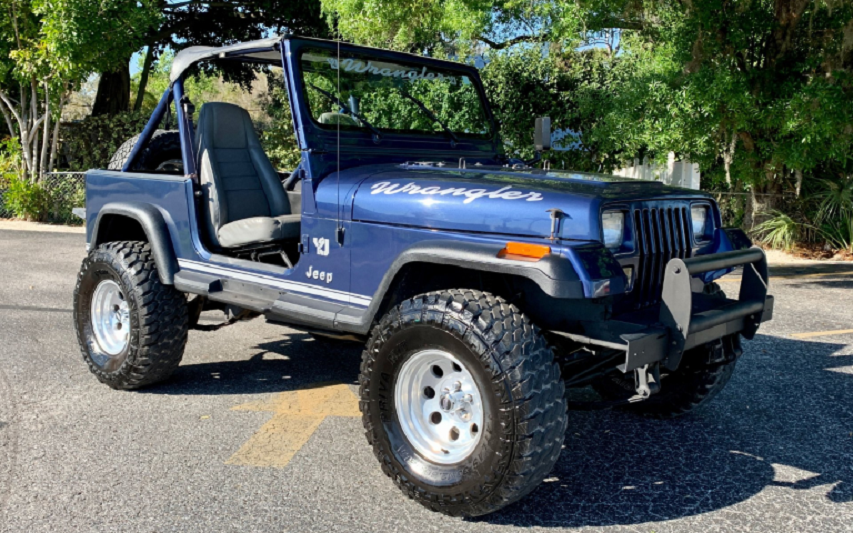
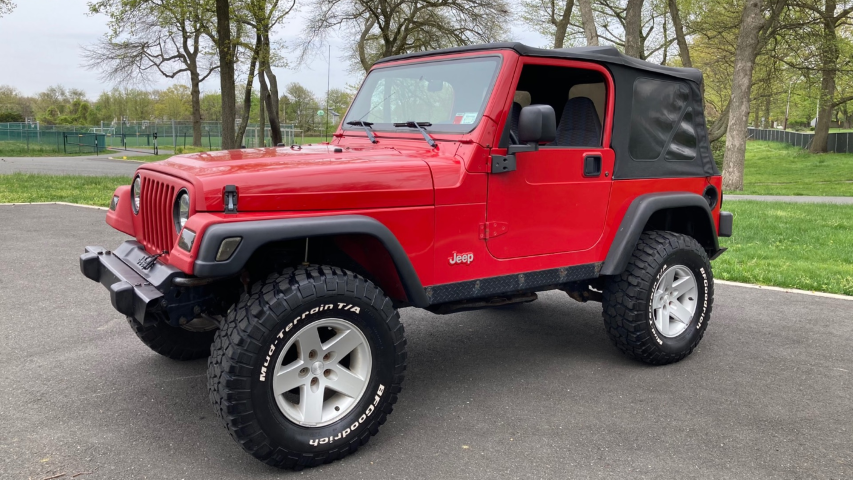
The Wrangler took another major step forward with the arrival of the TJ for the 1997 model year. Round headlights returned, but the most important change was underneath the Jeep. The TJ replaced the YJ's leaf-spring suspension with a coil-spring design derived from Jeep's experience with the Cherokee and Grand Cherokee. The new suspension dramatically improved ride quality, articulation, and overall trail performance without sacrificing the Wrangler's rugged character. Combined with the dependable 4.0-liter inline-six and an interior that was noticeably more comfortable than its predecessors, the TJ became one of the most influential generations in Wrangler history and remains a favorite among Jeep enthusiasts today.
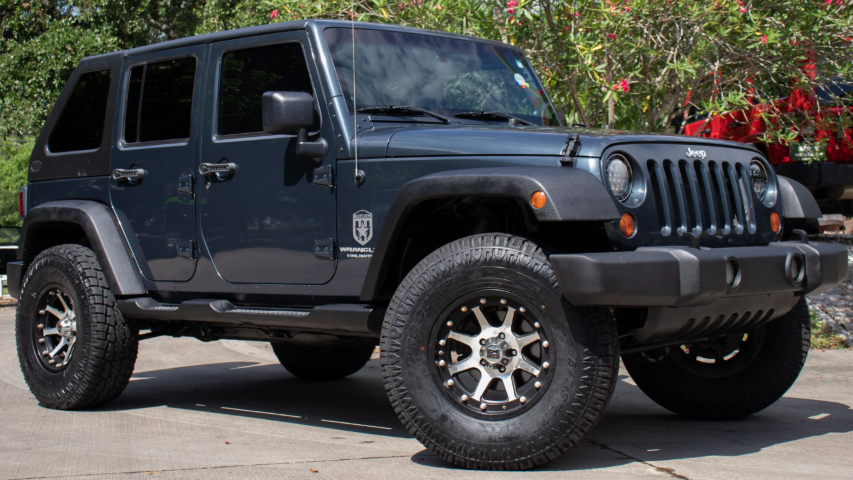
The next major transformation arrived with the JK generation for the 2007 model year. The Wrangler grew larger, wider, and more refined, but the biggest change was the introduction of the four-door Wrangler Unlimited. For the first time, buyers could have traditional Wrangler capability and open-air driving in a package practical enough to serve as a family vehicle. The JK also brought improved safety, greater interior comfort, and increasingly sophisticated electronics while retaining solid axles and serious four-wheel-drive hardware. In 2018, Jeep followed with the JL generation, which further modernized the Wrangler with updated powertrains, improved technology, better road manners, and numerous engineering refinements while carefully preserving the basic ingredients that make a Wrangler a Wrangler.
Today, the Jeep Wrangler occupies a rare place in the automotive world. It can serve as a daily driver, weekend trail rig, beach cruiser, overlanding platform, rock crawler, or almost anything in between. More importantly, it continues to offer something increasingly unusual in a modern vehicle: a tangible connection to its own history. The Wrangler has become safer, faster, quieter, more comfortable, and far more technologically advanced, but its basic mission remains familiar. Remove the doors, take off the top, shift into four-wheel drive, and the connection between today's Wrangler and the Jeeps that came before it is still unmistakable. That continuity is a major reason the Wrangler has endured, and why it remains much more than simply another SUV.
Jeep Field Guide may earn a commission from qualifying purchases when affiliate links are present. Recommendations are selected editorially, not because a merchant pays for placement.