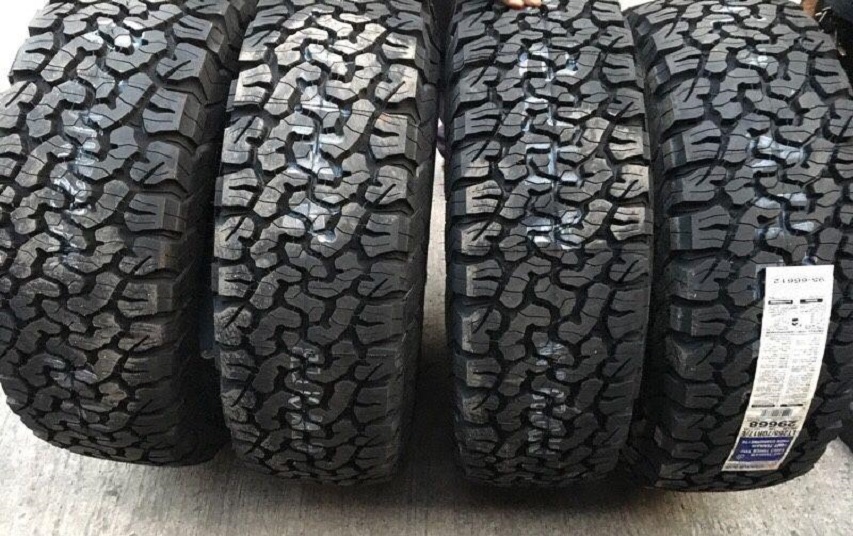
A tire rotation is one of the least glamorous jobs on a Jeep and one of the easiest to underestimate. On a Wrangler, the job deserves a little more thought because tire size, spare configuration, tread direction, off-road use, and suspension changes can all affect the plan.
This guide is about the decision process as much as the wrenching. The exact pattern and lug-nut torque for your Jeep should come from the owner's manual or service information for your generation and wheel setup.
Start with the spare
Many Wranglers carry a full-size spare. If the spare matches the four road tires in size, construction, wear, and wheel fitment, including it in the rotation can spread wear across five tires instead of four.
That matters most when all five tires were purchased together. A spare that has spent years on the tailgate while the road tires wear down may no longer have a similar rolling diameter. At that point, simply dropping it into the rotation deserves more scrutiny.
If the spare is temporary, differently sized, differently constructed, or mounted on a wheel that does not match the road wheels, treat it as a spare rather than part of the regular rotation.
Directional or non-directional?
Look at the sidewall before choosing a pattern. A directional tire normally has an arrow showing its intended direction of rotation. If the tires stay mounted on their wheels, that limits where each wheel can move without reversing the tire's intended direction.
Non-directional tires give you more flexibility and make common cross-rotation and five-tire patterns possible.
Use the rotation as an inspection
The best reason to slow down during a tire rotation is that the wheels are already off. Take advantage of the access.
Check for:
- uneven tread wear from alignment or suspension issues
- cuts, missing tread chunks, embedded debris, and sidewall damage
- wheel damage from rocks or potholes
- brake-pad condition and obvious fluid leaks
- loose or damaged steering and suspension components you can see from the wheel well
- a spare-tire carrier that is beginning to loosen under a heavier-than-stock tire
A pattern in the wear can tell you more than the tread-depth number alone. Feathering, cupping, or one-sided wear is worth investigating rather than simply rotating away.
Before the Jeep comes off the stands
Clean mating surfaces as appropriate, reinstall the wheels carefully, and tighten the lug nuts evenly in the correct sequence. Use the torque specification for your Jeep, wheel, and hardware rather than a number copied from a different generation.
After the rotation, confirm tire pressures and reset or relearn any tire-pressure monitoring behavior required by your model.
When should you rotate?
A fixed mileage rule is useful as a reminder, but tire wear is the better truth. Jeeps that see frequent trail use, heavy loads, aggressive tires, modified suspension, or lots of short trips may tell a different story than a stock commuter.
The easiest habit is to inspect tread depth at several points across all tires when you rotate them. If the wear is becoming uneven, shorten the interval and find the cause.
The goal is not to memorize one perfect rotation pattern. It is to keep five expensive pieces of rubber wearing predictably and to notice problems before they become expensive.
Jeep Field Guide may earn a commission from qualifying purchases when affiliate links are present. Recommendations are selected editorially, not because a merchant pays for placement.